WORDPRESS AUTHENTICATION & IDENTITY INTEGRATION
Custom WordPress Authentication & SSO Integration
When WordPress is only one part of a larger platform, it should not automatically become a second identity system to maintain.
SleekAlgo builds custom WordPress authentication integrations that connect login, registration, MFA, WooCommerce and account flows to the identity architecture your business already uses.
EXTERNAL IDENTITY PROVIDERS
CUSTOM LOGIN FLOWS
MFA
WOOCOMMERCE
CUSTOM PLUGINS
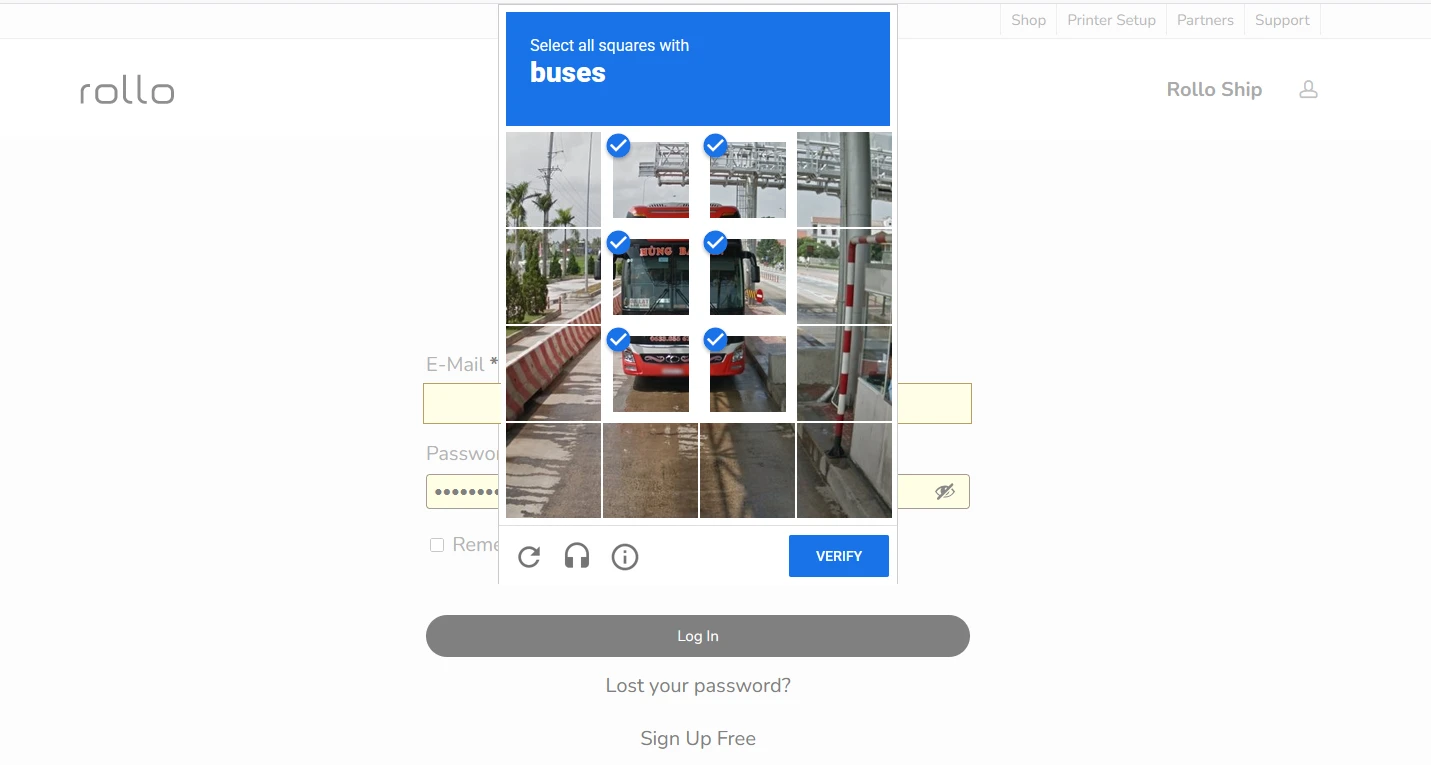
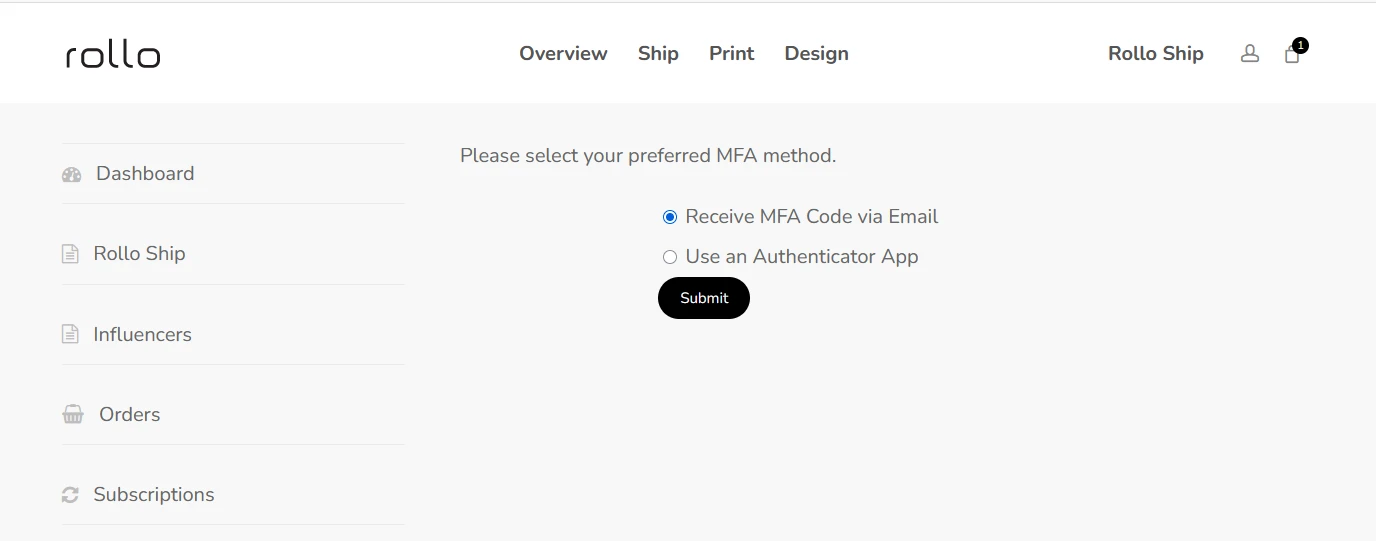
ROLLO · LOGIN + MFA, SANITIZED
WordPress Should Fit the Existing Identity Architecture
A business may already manage customers, staff or partners through an external identity platform. Adding WordPress can create duplication if users must be maintained independently in both systems.
THE PROBLEM
Existing identity system
+
Separate WordPress users
=
Duplicate identity management
THE PREFERRED MODEL
SOURCE OF TRUTH
Existing identity system
→
SLEEKALGO BUILDS
Custom WordPress authentication layer
→
USER SEES
WordPress / WooCommerce experience
Keep identity centralized. Make WordPress participate in the existing system.
What We Can Integrate
Each project uses the parts its identity architecture actually needs. Few need all of them.
External identity-provider authentication
Custom WordPress login and registration flows
Password reset / recovery flows
Multi-factor authentication (MFA)
CAPTCHA and additional verification steps
WordPress account/session handling
WooCommerce customer authentication
WooCommerce Blocks checkout compatibility
Protected content and account-area access
Custom plugin-based identity integrations
SSO-style access flows where the surrounding identity architecture requires them
FLAGSHIP PROOF · ROLLO
Rollo + AWS Cognito
Rollo already used AWS Cognito as its central identity platform. They did not want WordPress to introduce another independent user system that would need separate maintenance.
SleekAlgo developed a custom WordPress plugin that connected WordPress authentication to the existing Cognito architecture.
THE IMPLEMENTATION INCLUDED
Signup
Login
Password reset
CAPTCHA
Email-code MFA
Authenticator-app MFA
Authentication/session handling
WooCommerce Blocks checkout compatibility
LOGIN + CAPTCHA
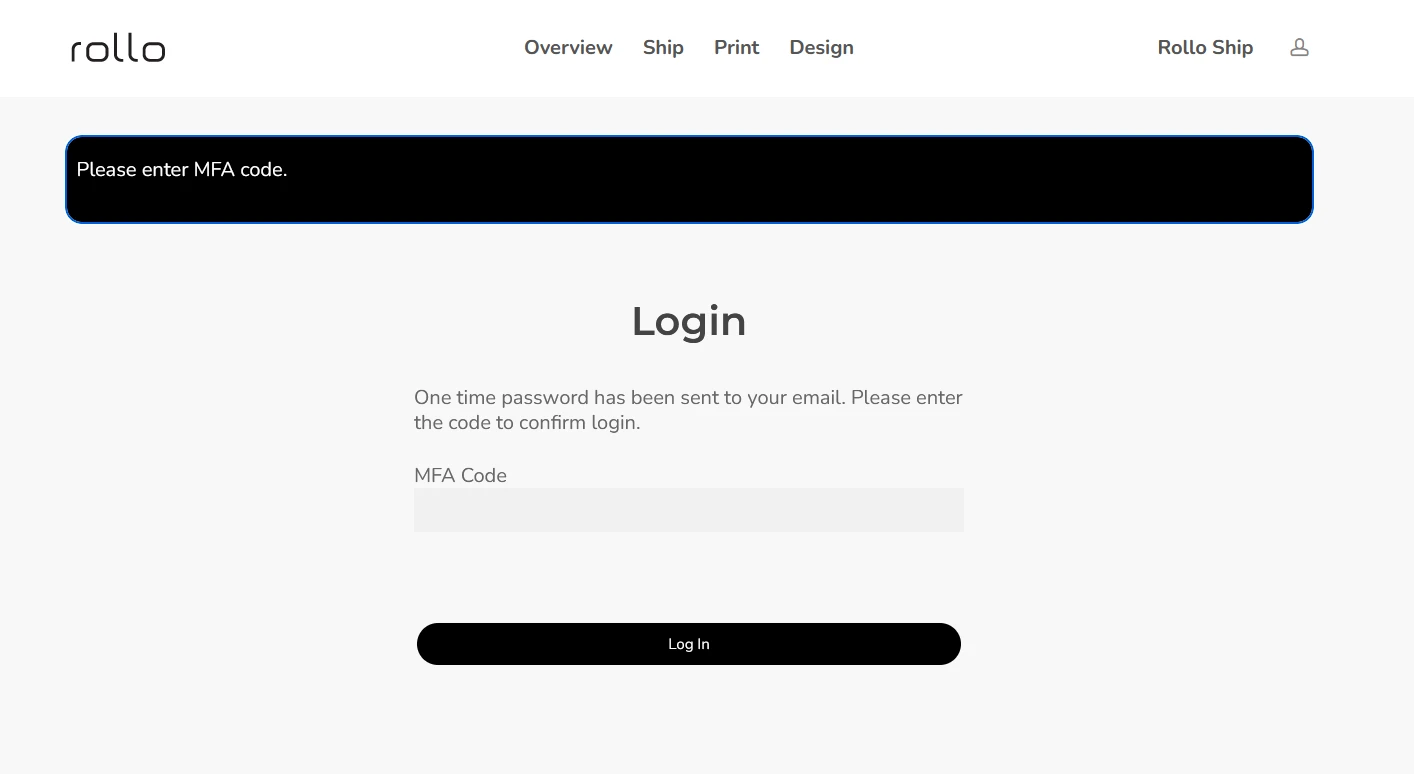
EMAIL-CODE MFA
Authentication Is a Flow, Not Just a Login Form
Complex identity integrations often span several connected states. The WordPress experience has to respond correctly to the identity provider throughout that journey.
PRIMARY FLOW
01 · WORDPRESS
→
Registration / login
02 · PROVIDER
→
Identity provider
03 · PROVIDER
→
Verification / challenge
04 · IF REQUIRED
→
MFA
05 · WORDPRESS
→
Authenticated WordPress session
06 · OUTCOME
Account / WooCommerce experience
SECONDARY FLOW · PASSWORD RECOVERY
Reset request in WordPress
→
Identity provider issues code
→
Code verified
→
New password set
→
Back to login
MFA
MFA Inside a WordPress Experience
MFA becomes more complex when the challenge is controlled by an external identity provider but the user experience is presented inside WordPress.
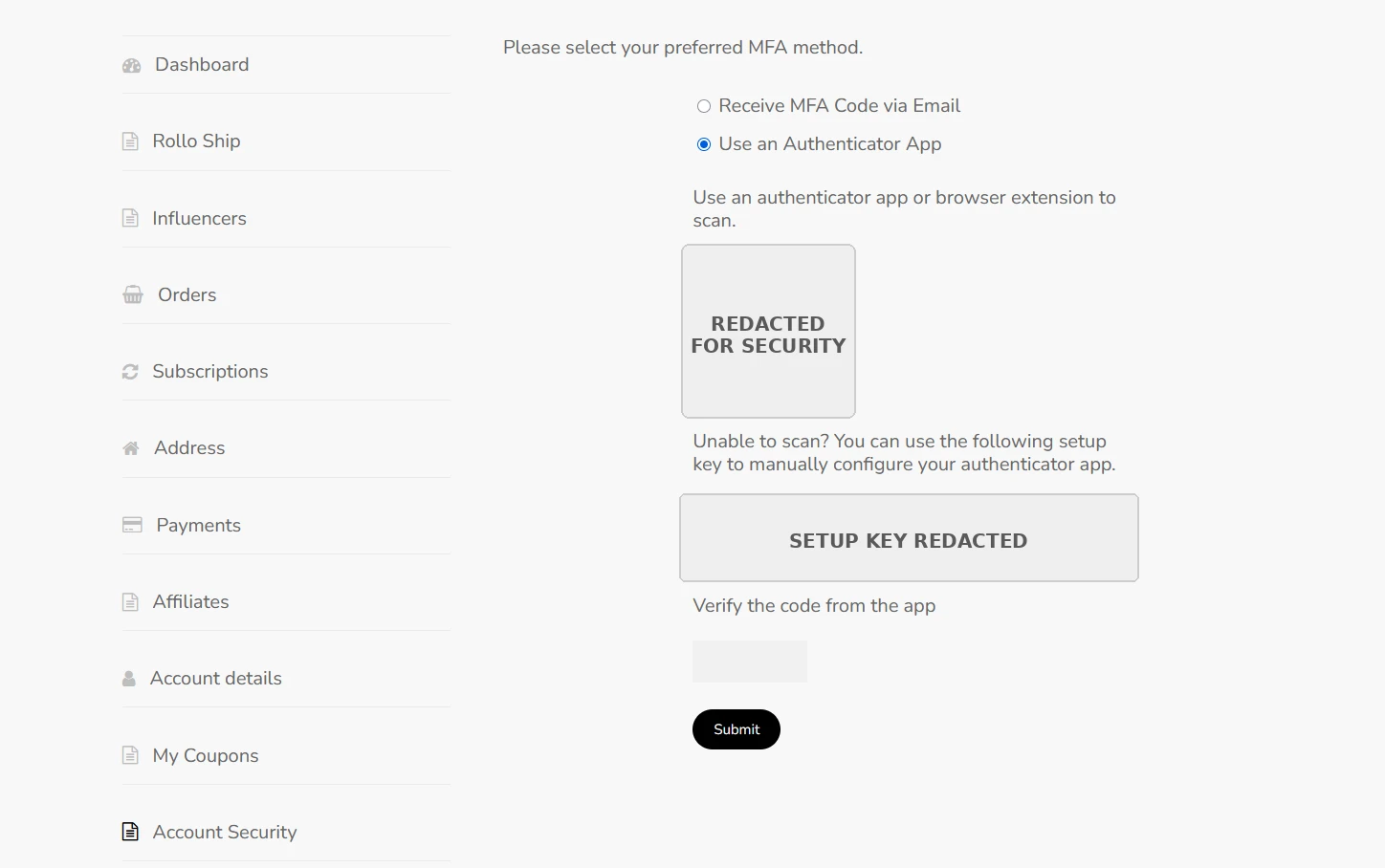
The Rollo integration supported both email-code MFA and authenticator-app enrollment/verification while keeping the WordPress experience connected to Cognito’s challenge flow.
IDENTITY PROVIDER
Controls the challenge
WORDPRESS
Presents the experience
01
Method selection
02
Email-code MFA
03
Authenticator-app setup
Screens are sanitized. No real secrets, setup keys, email addresses or tokens are shown.
WOOCOMMERCE
WooCommerce Authentication Has Its Own Edge Cases
Authentication cannot stop at the main login page when WordPress also powers ecommerce. Customer-account behavior and checkout flows must continue to work correctly.
For Rollo, the custom Cognito integration was made compatible with WooCommerce Blocks checkout. More on WooCommerce development.
WooCommerce Blocks
CHECKOUT
↓
WordPress authentication layer
SESSION
↓
Custom identity plugin
SLEEKALGO
↓
External identity provider
SOURCE OF TRUTH
TECHNICAL JUDGMENT
SSO, External Identity and Custom Authentication Are Not the Same Thing
The correct architecture depends on the surrounding applications, user lifecycle, security requirements and identity platform.
SOME PROJECTS NEED
True single sign-on across multiple applications
OTHERS NEED
WordPress to authenticate against an existing identity provider without duplicating identity management
The goal is not to force every project into “SSO.” The goal is to make authentication work correctly across the systems the business actually uses.
When Custom Authentication Engineering Makes Sense
01
Your organization already has a central identity/user platform
02
WordPress must share authentication behavior with another application
03
Standard WordPress login cannot support the required verification flow
04
MFA or challenge-based authentication must be handled inside the WordPress experience
05
WooCommerce customer accounts must work with an external identity provider
06
A packaged SSO/authentication plugin cannot cleanly support the required architecture
What We Build
External identity-provider integration
Custom authentication plugins
Custom login / signup / recovery UX
MFA enrollment and challenge flows
WooCommerce account and checkout authentication
Protected resource/account access
Identity-aware redirects and session behavior
SSO integration where appropriate to the architecture
How We Approach It
We can deliver identity integrations remotely, working with your authorized WordPress and identity-provider teams. Test environments and approved access are used to review login, recovery, MFA, checkout and session behavior before deployment.
01
Map the existing identity architecture
02
Define the source of truth for users and authentication
03
Map registration, login, recovery, MFA and logout states
04
Identify WordPress / WooCommerce integration points
05
Build the lightest reliable integration layer
06
Test edge cases, challenge flows and account behavior
07
Harden, document and deploy
CREDIBILITY
Not Every Project Needs a Custom Plugin
If a proven authentication or SSO solution cleanly supports the required identity provider and workflow, using it may be the better answer.
Custom development should be used when the surrounding architecture, WooCommerce behavior, MFA flow or application requirements genuinely demand it.
Use the simplest reliable authentication architecture that fits the real system.
Frequently Asked Questions
Yes. The exact implementation depends on the identity provider, authentication flow, user lifecycle and how WordPress needs to behave after authentication.
Yes, where the broader application architecture requires single sign-on. Some projects instead need external identity-provider authentication without a full multi-application SSO deployment.
Yes. SleekAlgo built a custom AWS Cognito authentication integration for Rollo covering signup, login, password reset, MFA and WooCommerce Blocks compatibility.
Yes, depending on the identity platform. MFA may involve email codes, authenticator apps or other challenge flows controlled by the external identity provider.
Yes. Authentication design can include WooCommerce customer accounts and checkout behavior. The Rollo implementation included WooCommerce Blocks checkout compatibility.
Not always. If an established solution supports the required provider and workflow cleanly, it may be preferable. Custom engineering is most useful when the business has requirements a packaged integration cannot support reliably.
Need WordPress to Work With Your Existing Identity System?
Tell us how users authenticate today and where WordPress or WooCommerce needs to fit. We can help map the simplest reliable integration.